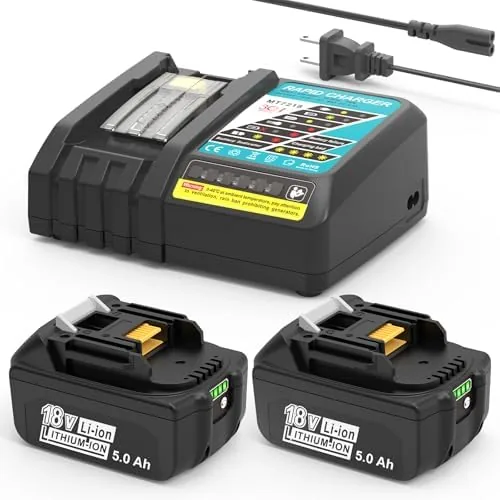
Worthmah — Power Tool Replacement Batteries
Worthmah: Professional-Grade Power for Contractors and DIY Craftsmen
Worthmah exists to solve a universal frustration among professional contractors, tradespeople, and serious DIY enthusiasts — the prohibitive cost of OEM replacement batteries that drain budgets without delivering proportional value. The brand was built on a simple premise: professionals deserve access to high-performance battery technology without the premium markup that original equipment manufacturers impose. Every Worthmah battery is engineered to match or exceed OEM specifications while remaining accessible to the workers who depend on cordless tools daily.
The target audience spans construction site veterans running Milwaukee M18 cordless drills through demanding 12-hour shifts, woodworkers who need reliable Makita 18V power for extended project sessions, and HVAC technicians requiring backup batteries that perform flawlessly in critical service calls. These users share common needs — consistent power delivery, robust safety features, and the confidence that their batteries will not fail mid-task. Worthmah addresses each requirement through rigorous engineering and comprehensive certification standards.
Beyond raw performance metrics, the brand recognizes that professional users cannot afford downtime caused by battery failures or safety incidents. This understanding drives the integration of advanced Battery Management Systems across the entire product line, ensuring that every cell operates within safe parameters regardless of workload intensity. For DIY home improvement enthusiasts, Worthmah provides an entry point to professional-grade tool performance without requiring a professional-grade budget.
Complete Compatibility Across Milwaukee and Makita Tool Systems
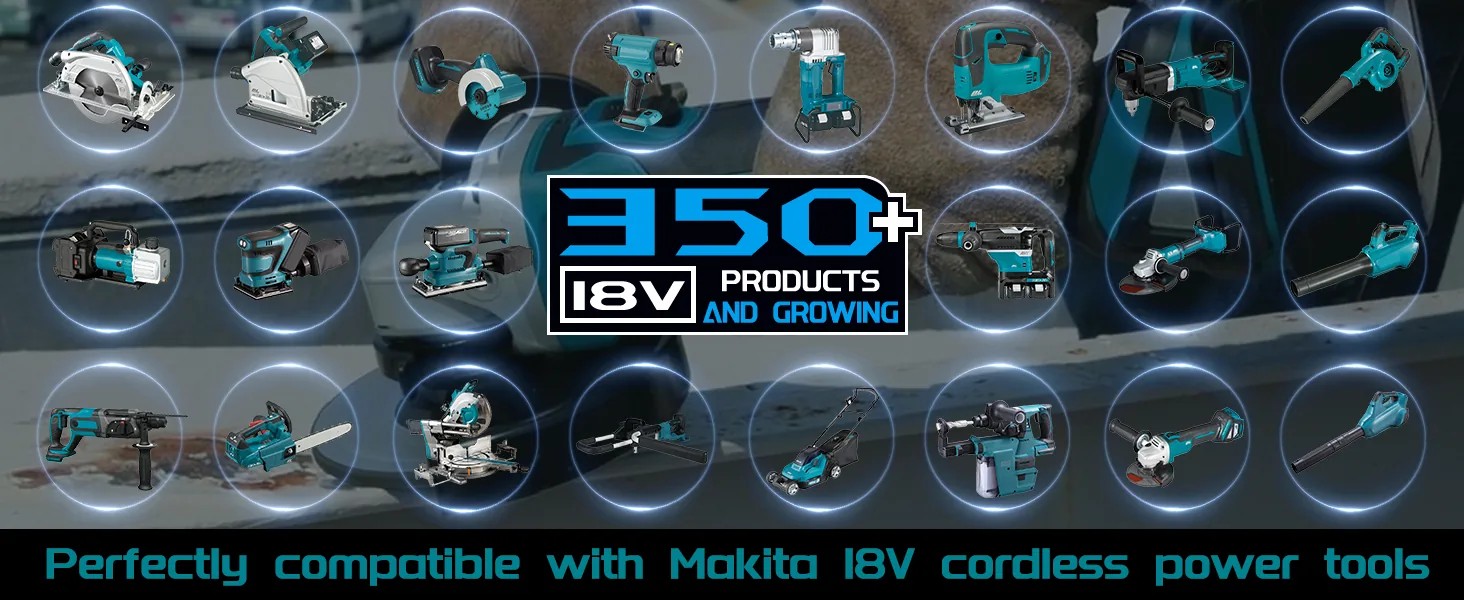
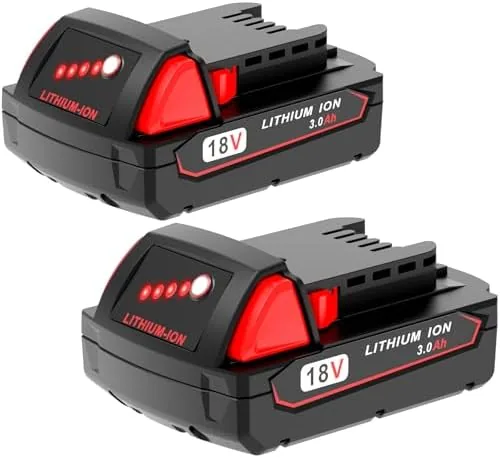
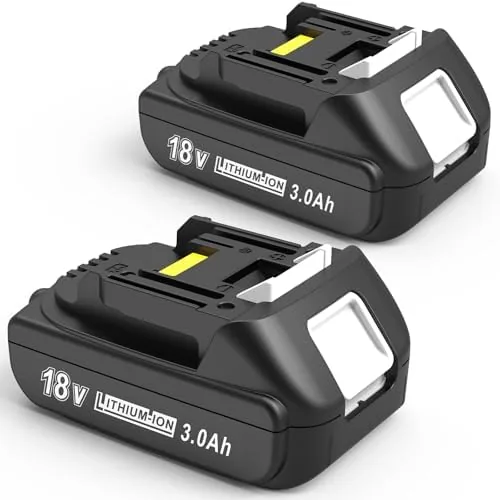
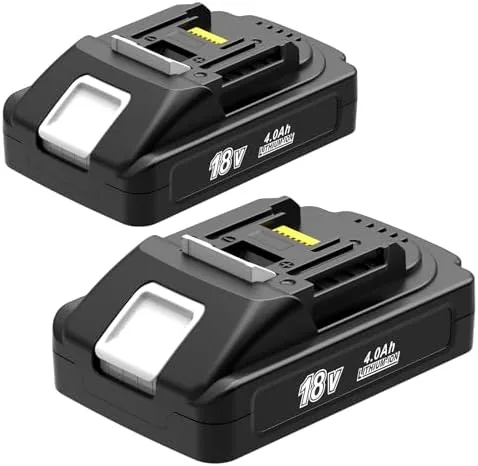
The product range encompasses comprehensive coverage for two of the most trusted names in cordless power tools — Milwaukee and Makita. For Milwaukee users, the lineup includes replacement batteries compatible with the entire M18 18V and M12 12V cordless tool ecosystems, ensuring seamless integration with drills, impact drivers, circular saws, and specialty equipment. Makita owners benefit from premium 18V LXT system replacements that work flawlessly with original chargers and the full spectrum of Makita cordless tools.
Capacity options span from practical 3.0Ah units ideal for light-duty applications to high-output 15.0Ah powerhouses designed for the most demanding professional environments. This breadth allows users to match their battery selection precisely to their usage patterns. A finish carpenter working primarily with impact drivers might prefer the lighter weight of 3.0Ah or 4.0Ah packs, while a framing contractor running high-drain circular saws benefits from 6.0Ah or 8.0Ah options that minimize battery swaps throughout the workday.
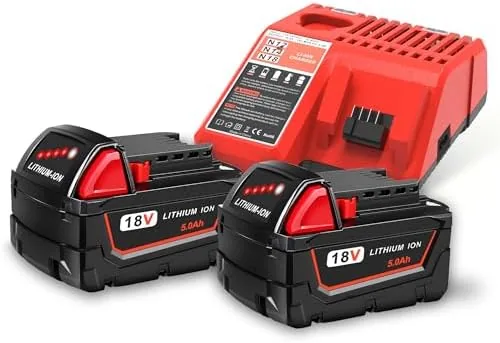
The collection also includes convenient battery-and-charger combo kits that provide everything needed to keep tools running continuously. These kits pair multiple batteries with compatible chargers, creating complete power solutions for users establishing new tool collections or expanding existing ones.
Integrated BMS Architecture: The Multi-Point Protection Advantage
The defining technical achievement within the product line is the Integrated Battery Management System featuring multi-point protection circuitry. Unlike basic replacement batteries that rely solely on cell chemistry for safety, this BMS actively monitors and regulates every aspect of battery operation. Six distinct protection mechanisms work in concert — overcharge protection prevents cell damage during charging cycles, over-discharge protection preserves long-term capacity, over-current protection guards against excessive draw, over-voltage protection maintains safe operating parameters, short circuit protection provides instantaneous response to fault conditions, and overheating protection ensures thermal stability under heavy loads.
This comprehensive approach to battery safety reflects an understanding that professional environments introduce variables that consumer applications rarely encounter. Construction sites expose equipment to temperature extremes, dust infiltration, and physical impacts. Workshop environments may involve prolonged high-drain operation followed by immediate recharging. The BMS anticipates these scenarios and responds appropriately, extending both immediate safety margins and long-term battery lifespan.
The protection system operates transparently, requiring no user intervention or special handling procedures. Batteries function identically to OEM units in normal use while providing superior fault tolerance when conditions deviate from ideal parameters. This engineering philosophy prioritizes both performance and peace of mind for users who cannot afford equipment failures during critical work phases.
Worthmah Battery Features: Certified Safety Meets Extended Runtime
- FCC, CE, RoHS, UN38.3 MSDS Certified Every battery meets international safety and compliance standards, ensuring legal transport, environmental responsibility, and verified performance characteristics through independent testing protocols.
- Grade-A Lithium Cells Premium cell selection using Grade-A components arranged in optimized configurations (5S2P for standard capacity, 10-cell arrangements for high-capacity units) delivers consistent power output and extended cycle life.
- LED Charge Level Indicators Built-in LED displays provide real-time battery status monitoring, allowing users to assess remaining capacity instantly without removing batteries from tools or chargers.
- Zero Memory Effect Technology Modern lithium-ion chemistry eliminates the memory effect that plagued earlier battery technologies. Users can charge at any state of discharge without compromising maximum capacity.
- High-Strength Drop-Tested Shell Plastic housing survives 1.5-meter drop tests, protecting internal components from the impacts that occur regularly in professional work environments.
- 15C High-Power Discharge Rating Capable of sustaining high current draw required by power-hungry tools like circular saws and angle grinders without voltage sag or thermal throttling.
Contractor Favorites: High-Capacity Packs That Dominate Job Sites
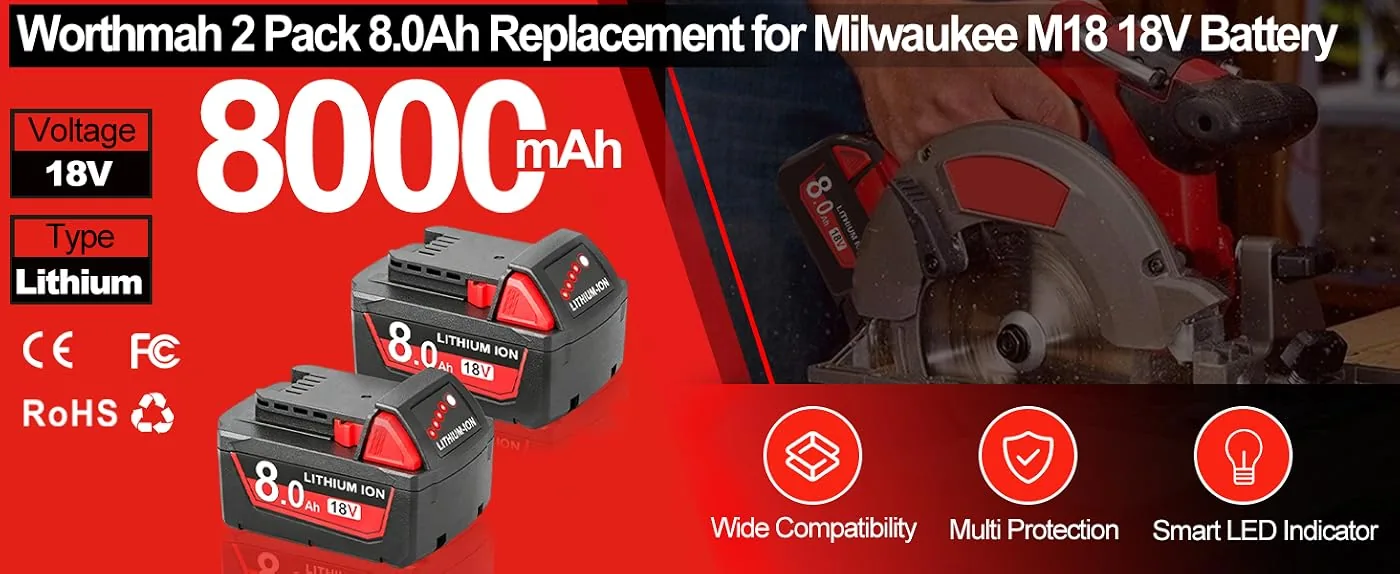
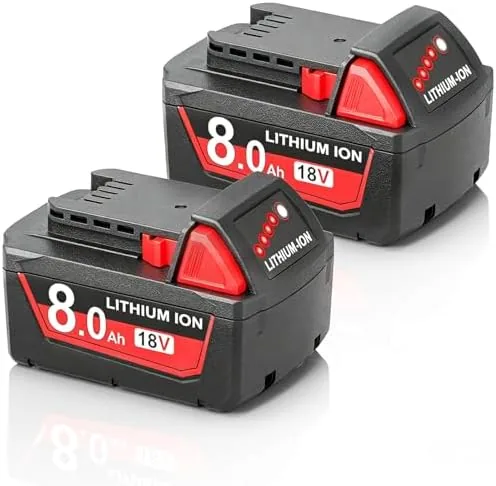
The 8.0Ah Replacement Battery for Milwaukee M18 has emerged as a workhorse choice among professional contractors. Compatible with the complete range of M18 batteries including 48-11-1850, 48-11-1852, 48-11-1820, and 48-11-1828 models, this 2-pack delivers the capacity needed for full-day operation without constant swaps. Framing crews and electrical contractors particularly favor this option for its balance of runtime and weight.
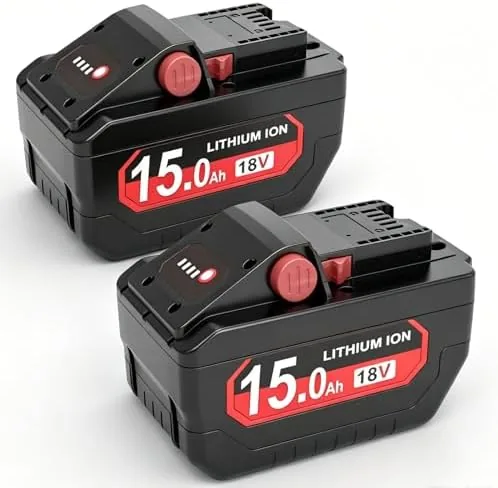
For users requiring maximum endurance, the 15.0Ah High Output Lithium Ion Battery represents the pinnacle of the Milwaukee-compatible lineup. This upgrade pack delivers exceptional runtime for the most demanding applications, from continuous concrete cutting to extended demo work. The 2-pack configuration ensures one battery remains charged while the other powers through heavy tasks.
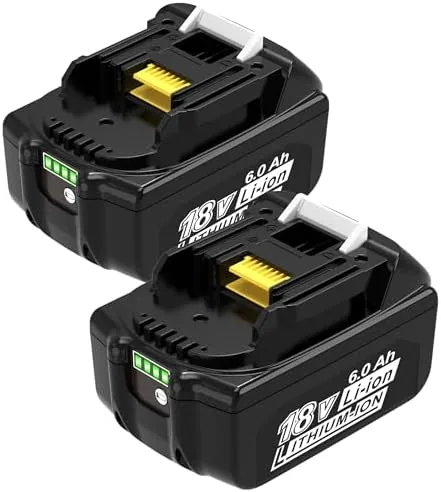
Makita users gravitate toward the 6000mAh 18V 2-Pack for extended woodworking projects. Compatible with BL1860B, BL1850B, BL1815, and BL1840B batteries, this option provides the sustained power that furniture makers and cabinet installers require. The included Grade-A cells in 5S2P configuration ensure reliable performance across thousands of charge cycles.
Grade-A Cells and Impact-Resistant Housings: Built for Real Work
Material selection begins at the cellular level with exclusive use of Grade-A lithium-ion cells. These premium components undergo rigorous quality screening before integration, ensuring consistent capacity, reliable discharge characteristics, and extended cycle life. Lesser batteries may use mixed-grade or recycled cells that deliver inconsistent performance and shortened lifespans. The commitment to Grade-A materials provides the foundation for every performance claim.
Cell arrangement follows optimized configurations tailored to each capacity class. Standard 3.0Ah and 4.0Ah units utilize five-cell arrangements, while high-capacity 5.0Ah, 6.0Ah, and 8.0Ah packs employ ten-cell 5S2P configurations that balance energy density with thermal management. This engineering approach ensures that higher capacity does not compromise safety or durability.
The external housing employs high-strength engineering plastics tested to survive 1.5-meter drops onto concrete surfaces. Professional environments involve inevitable impacts — batteries fall from ladders, get knocked off workbenches, and endure rough transport in tool bags. The shell design distributes impact forces away from critical internal components while maintaining the precise dimensional tolerances required for secure tool and charger connections. Reinforced contact points prevent the deformation that causes connection failures in inferior replacement batteries.
All-Day Runtime Without Voltage Sag or Thermal Throttling
Real-world performance testing demonstrates consistent power delivery that matches or exceeds OEM specifications throughout the discharge cycle. The 15C high-power discharge capability means that even the most demanding tools — circular saws cutting dimensional lumber, rotary hammers drilling into concrete, or angle grinders working structural steel — receive full voltage without the sag that causes reduced cutting speed or torque.
Extended runtime represents a key advantage for users upgrading from standard OEM batteries. The 6.0Ah Makita replacement delivers twice the runtime of original 3.0Ah packs, while the 8.0Ah Milwaukee option nearly doubles the endurance of factory 4.0Ah batteries. These gains translate directly to productivity — fewer battery swaps mean more continuous work time and less interruption on time-sensitive projects.
Thermal management through the integrated BMS prevents the throttling that affects batteries operating near their limits. During sustained high-draw operation, the protection circuitry monitors cell temperatures and adjusts current flow to maintain safe operating parameters without abrupt power cutoffs. Users experience smooth, predictable performance rather than sudden drops in tool responsiveness. This stability proves particularly valuable during finish work where consistent tool speed affects cut quality.
How to Maximize Worthmah Battery Performance on the Job Site
- Initial Charging Protocol Fully charge new batteries before first use. Although functional out of the package, a complete charge cycle calibrates the LED indicator system and ensures maximum initial capacity.
- Optimal Storage Temperature Store batteries in cool, dry locations between 50°F and 77°F (10°C to 25°C). Avoid leaving batteries in vehicles during extreme temperatures, as excessive heat accelerates capacity degradation.
- Charge When Convenient Take advantage of zero memory effect by charging whenever opportunity arises. Partial charges do not harm capacity, and maintaining higher charge states reduces stress on cells during demanding applications.
- Use Compatible Chargers Only Pair batteries with original OEM chargers or approved third-party chargers designed for the specific voltage and chemistry. The included chargers in combo kits are optimized for these cells.
- Monitor LED Indicators Check charge status before beginning tasks to avoid mid-job interruptions. The LED system provides accurate remaining capacity information that enables better workflow planning.
- Rotate Battery Stock When using multiple batteries, rotate through the entire stock rather than depleting one completely before switching. This practice equalizes wear across the set and maximizes collective lifespan.
Ensuring Proper Fit and Safe Operation Across Tool Platforms
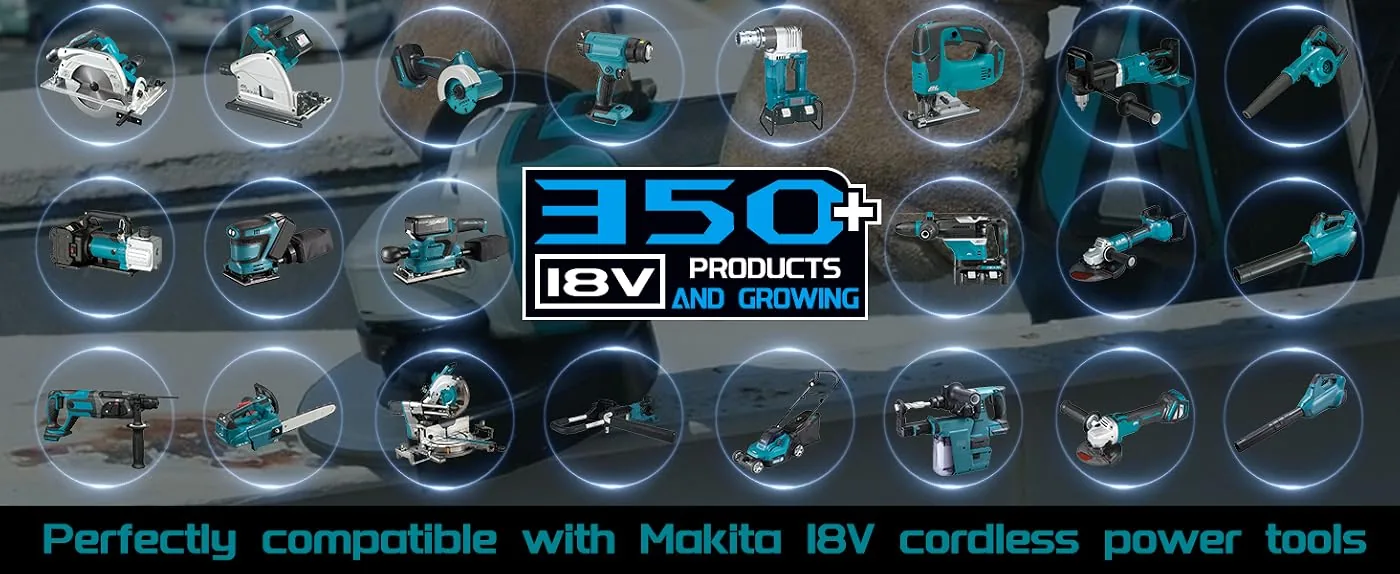
Dimensional precision ensures that every battery seats securely in compatible tools and chargers without modification or forcing. The manufacturing process maintains tolerances that guarantee positive engagement of all electrical contacts and mechanical retention features. Users transitioning from OEM batteries will find identical insertion feel and locking action. If a battery does not seat smoothly, verify compatibility by checking the model number list before applying force.
Electrical compatibility spans comprehensive lists of OEM part numbers. Milwaukee M18 batteries replace 48-11-1850, 48-11-1852, 48-11-1820, 48-11-1828, 48-11-1830, 48-11-1860, 48-11-1840, and 48-11-1815 units. Makita 18V batteries replace BL1860B, BL1850B, BL1815, and BL1840B models. Always verify that the tool's voltage requirement matches the battery voltage — never attempt to use 18V batteries in 12V tools or vice versa.
The integrated protection circuitry provides fault-safe operation, but users should still follow standard lithium-ion battery safety practices. Avoid puncturing or crushing batteries, do not expose them to open flame, and discontinue use if the housing shows visible damage, deformation, or signs of swelling. The multiple protection layers within the BMS handle operational anomalies, but physical damage may compromise these safeguards.
Built for Construction Crews, Cabinet Shops, and Weekend Warriors
Professional Users
- General contractors running multiple cordless tools simultaneously
- HVAC technicians requiring reliable backup power for service calls
- Electricians using impact drivers and rotary tools throughout the workday
- Framing crews operating high-drain circular saws continuously
- Finish carpenters needing consistent power for precision trim work
DIY and Home Users
- Homeowners maintaining existing Milwaukee or Makita tool collections
- Woodworking hobbyists building furniture and custom projects
- Garage mechanics using cordless impact wrenches and ratchets
- Property managers handling routine maintenance across multiple sites
- First-time cordless tool buyers seeking affordable entry points
Selecting the Right Capacity for Your Power Tool Applications
Capacity selection should reflect typical usage patterns rather than defaulting to maximum available options. The 3.0Ah batteries suit users who prioritize light weight and portability, particularly for overhead work or extended periods of tool handling. Impact drivers, LED work lights, and finish nailers operate efficiently on these compact packs without the additional bulk of higher-capacity units.
Mid-range 4.0Ah and 5.0Ah options balance runtime against weight for general-purpose applications. These capacities handle drills, reciprocating saws, and jig saws comfortably while remaining manageable for all-day carry. Most users find this range provides the optimal compromise for mixed tool use across varied tasks.
High-capacity 6.0Ah, 8.0Ah, and 15.0Ah batteries target specific demanding applications. Circular saws, angle grinders, and rotary hammers draw substantial current that depletes smaller batteries rapidly. Users operating these tools as primary work equipment benefit from larger capacities despite the weight penalty. The 15.0Ah option specifically addresses situations where power outlet access is limited and maximum runtime takes priority over portability. Consider purchasing mixed capacity packs to match battery selection to specific tool assignments throughout the workday.
Worthmah vs. OEM and Aftermarket Batteries: Feature Comparison
| Feature | Worthmah | Milwaukee OEM | Generic Aftermarket |
|---|---|---|---|
| Safety Certifications | FCC, CE, RoHS, UN38.3 MSDS | UL Listed | Often uncertified |
| BMS Protection Points | 6 protection circuits | 3-4 protection circuits | 1-2 basic protections |
| Cell Grade | Grade-A lithium cells | Grade-A lithium cells | Mixed/unknown grade |
| Drop Test Rating | 1.5 meter certified | 1.2 meter rated | Not tested/specified |
| LED Charge Indicator | Included on all models | Included on most models | Rarely included |
| Memory Effect | None | None | Varies by manufacturer |
| Warranty Support | Dedicated customer service | Manufacturer warranty | Limited or no support |
| Price Point | 40-60% below OEM | Premium pricing | 50-70% below OEM |
| Capacity Options | 3.0Ah to 15.0Ah | 2.0Ah to 12.0Ah | Limited selection |
Comparison based on manufacturer specifications and common aftermarket product characteristics. OEM refers to original equipment manufacturer batteries sold by Milwaukee and Makita.
Maintaining Peak Cell Health Through Proper Storage and Charging Habits
Long-term battery health depends significantly on storage conditions between uses. Batteries stored for extended periods should maintain approximately 40-60% charge rather than full or depleted states. This moderate charge level minimizes stress on cell chemistry during dormancy. The LED indicators provide quick reference for achieving appropriate storage charge levels before seasonal equipment storage.
Temperature management during both storage and charging extends cycle life substantially. Charging batteries immediately after heavy use introduces unnecessary thermal stress — allow units to cool to ambient temperature before connecting to chargers. Similarly, avoid charging in direct sunlight or near heat sources that elevate ambient temperatures beyond comfortable room conditions.
Cleaning battery contacts periodically prevents the resistance buildup that reduces charging efficiency and power delivery. Use a dry cloth or isopropyl alcohol on a cotton swab to remove dust, debris, and oxidation from both battery terminals and corresponding tool or charger contacts. Inspect the housing regularly for cracks or damage that might allow moisture or debris infiltration. With proper care, these batteries deliver thousands of charge cycles while maintaining capacity levels that support demanding professional applications.